Why Traditional Dentistry Often Misses the Root Cause
Most treatments focus on symptoms—pain, sleep issues, or discomfort—without addressing the underlying cause.
At Harter Dental, we take a different approach.
By evaluating your airway, jaw alignment, and neuromuscular function, we uncover the structural issues affecting your sleep, energy, and overall health—and correct them at the source.
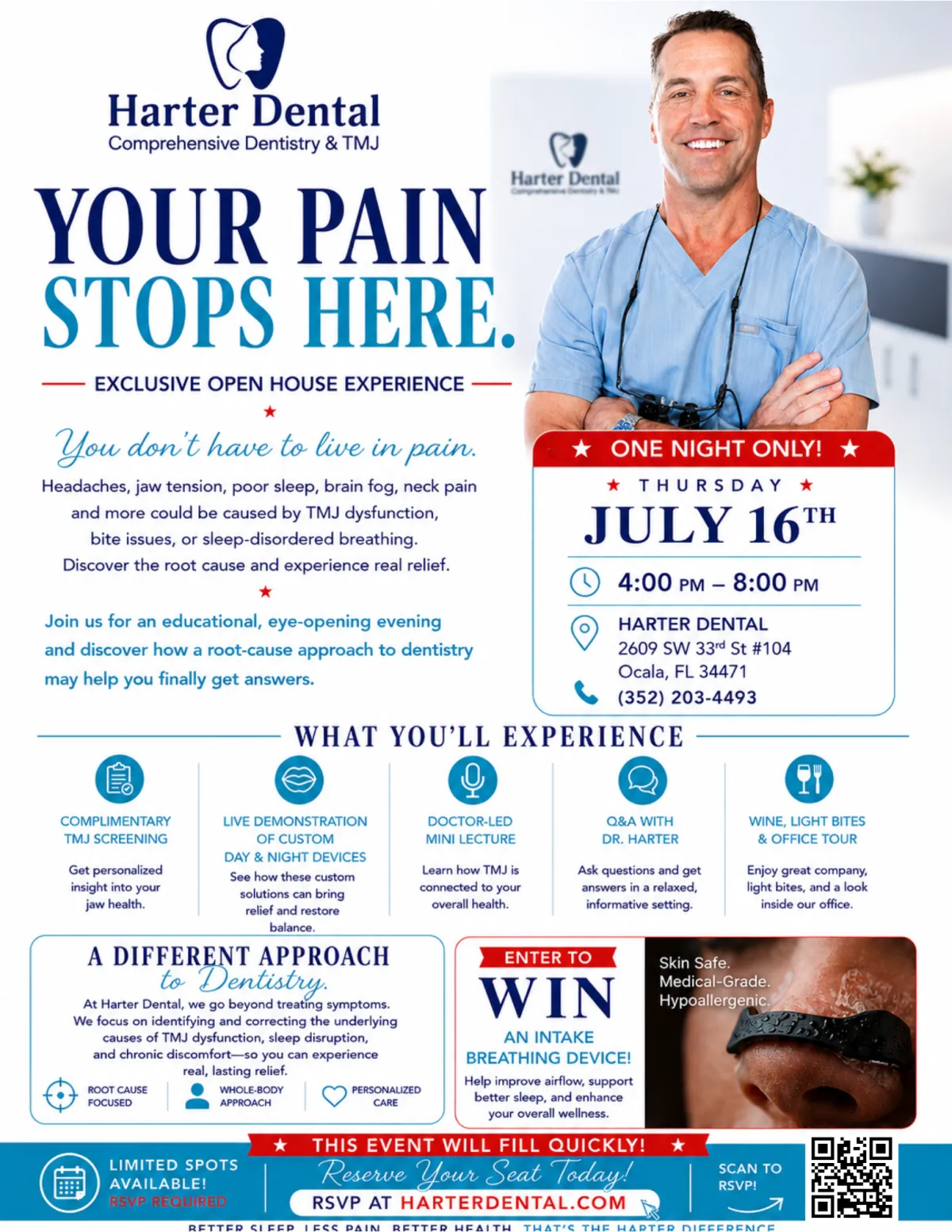
Want to start your pain free journey?
Headaches, Jaw Tension, Poor Sleep, Brain Fog?
Could be caused by TMJ dysfunction.
Come to our open house enjoy light Hor'Dourves, wine and learn with our live demonstration.
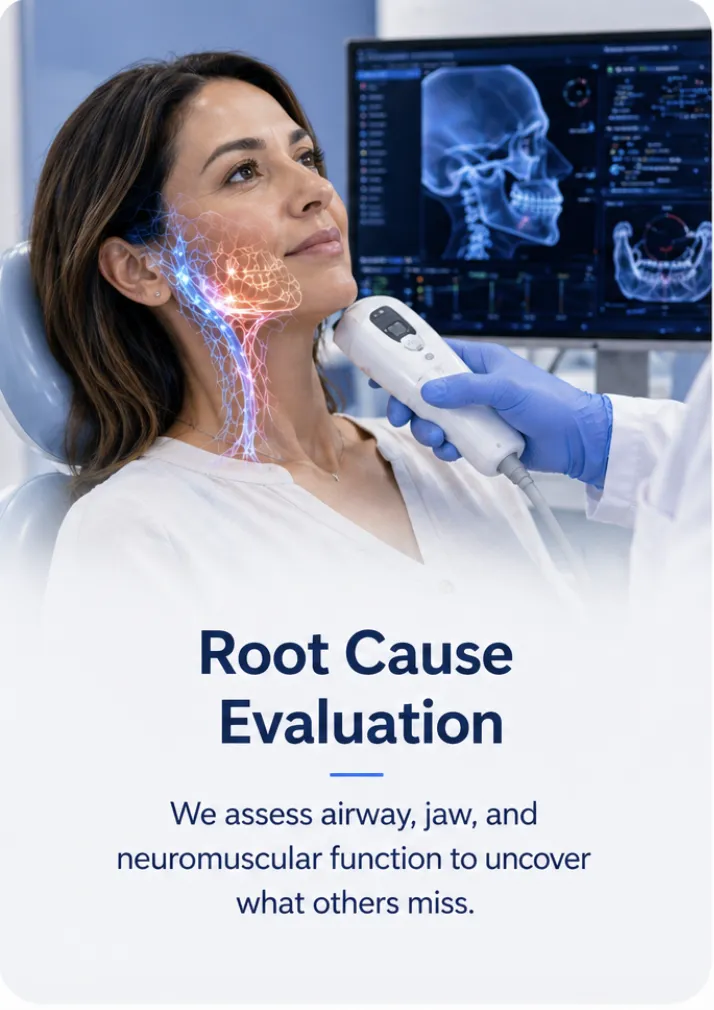
Find The Real Problem
True healing begins with understanding. We analyze the full system—not just isolated symptoms—to uncover what’s driving dysfunction at its source.
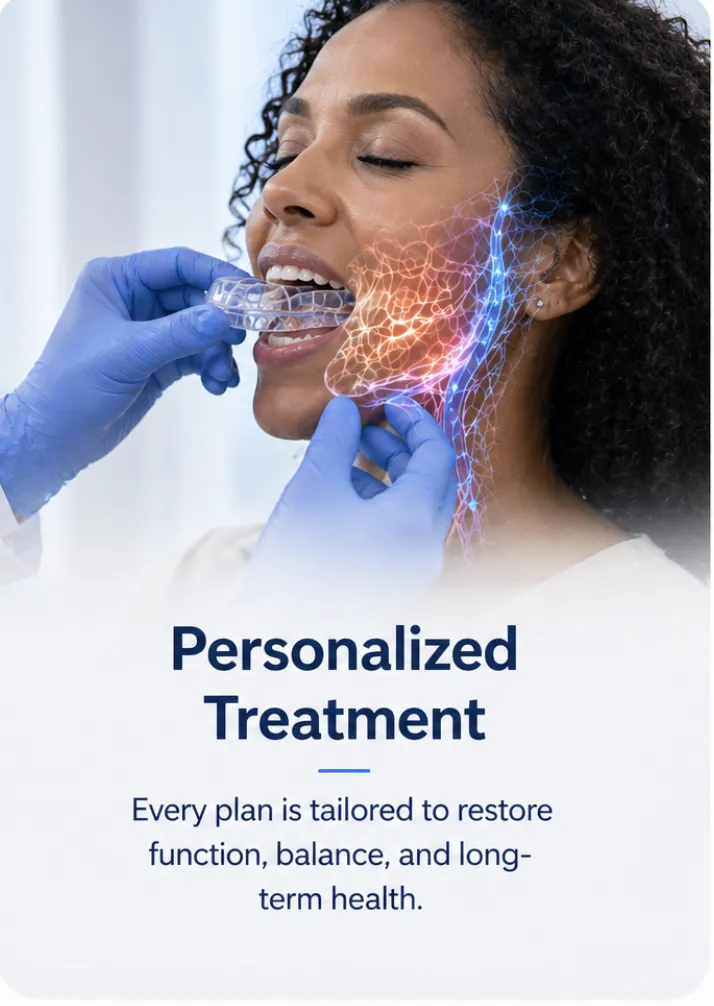
Your Health Needs Is Unique
No two patients are the same. Your treatment plan is carefully crafted to realign function, support natural healing, and elevate your overall well-being.
A Different Approach to Health & Dentistry
At Harter Dental, we go beyond traditional dentistry to identify the root cause of your symptoms.
By focusing on airway health, jaw alignment, and neuromuscular function, we help patients restore proper sleep, relieve chronic pain, and improve overall health—not just oral health.
Our approach is designed for those who want more than temporary relief—patients seeking long-term solutions and a deeper understanding of how their body truly functions.
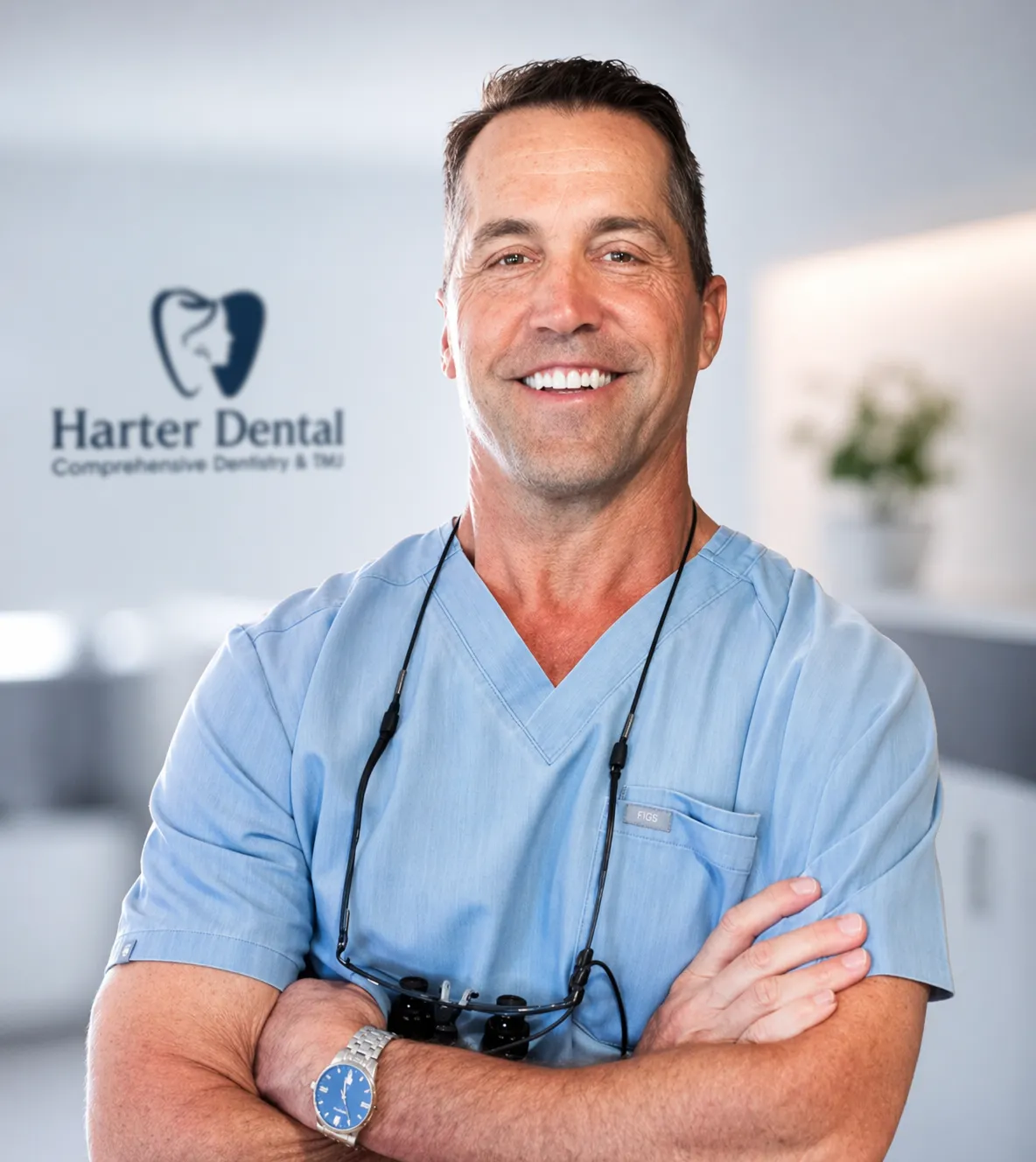
About Dr. Harter
Dr. Thomas Harter, DMD is a highly experienced clinician with over three decades of practice, specializing in comprehensive dentistry, TMJ disorders, airway health, and sleep-related conditions—delivered through a deeply integrated, whole-body approach to care.
He earned his Doctor of Dental Medicine degree from the University of Pittsburgh School of Dental Medicine in 1990, followed by a General Practice Residency at the U.S. Naval Hospital in Bethesda, Maryland. He then served in the U.S. Naval Dental Corps until 1994, where he developed a strong clinical foundation rooted in precision, discipline, and comprehensive patient care.
Since entering private practice, Dr. Harter has continually advanced his expertise, completing over 1,000 hours of post-graduate training focused on TMJ disorders, sleep disordered breathing, and chronic pain. Much of this advanced education was completed through TMJ & Sleep International under the guidance of Dr. Steven Olmos, equipping him with highly specialized diagnostic and treatment methodologies not commonly found in traditional dental practices.
Dr. Harter’s work extends far beyond conventional dentistry. His clinical focus centers on the relationship between the jaw, airway, nervous system, and overall systemic health. He is known for identifying root causes often overlooked in standard care—helping patients suffering from chronic jaw pain, headaches, fatigue, poor sleep, and airway dysfunction find lasting relief.
What truly distinguishes Dr. Harter is his commitment to a holistic and preventative model of care. By evaluating how breathing, jaw alignment, posture, and neuromuscular function influence the body, he supports not only symptom relief—but full-body restoration. His approach enhances oxygen flow, improves sleep quality, reduces systemic stress, and supports neurological health—factors increasingly linked to cognitive performance, aging, and conditions such as memory decline.
In addition to his diagnostic expertise, Dr. Harter incorporates advanced technologies and regenerative therapies, including Platelet-Rich Fibrin (PRF), to support healing and optimize outcomes. His treatment philosophy is grounded in evidence-based protocols and a multidisciplinary approach, often collaborating with medical and behavioral health professionals to ensure comprehensive care.
Dr. Harter continues to expand his practice into integrative wellness and preventative health, positioning dentistry as a gateway to total health, performance, and longevity. His mission is simple yet powerful: to uncover the root cause, restore function, and guide patients toward lasting vitality.
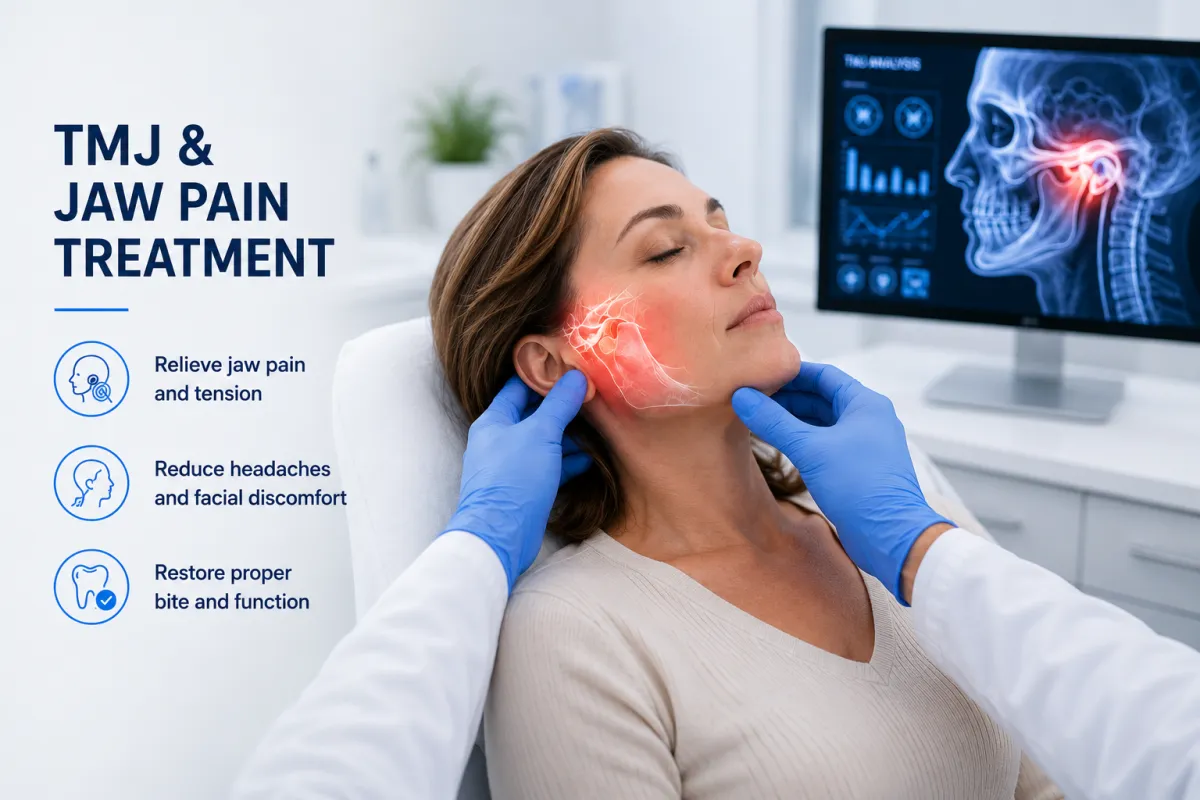
TMJ & Jaw Pain Treatment
Relieve jaw pain, clicking, headaches, and tension through precise diagnosis and targeted treatment.
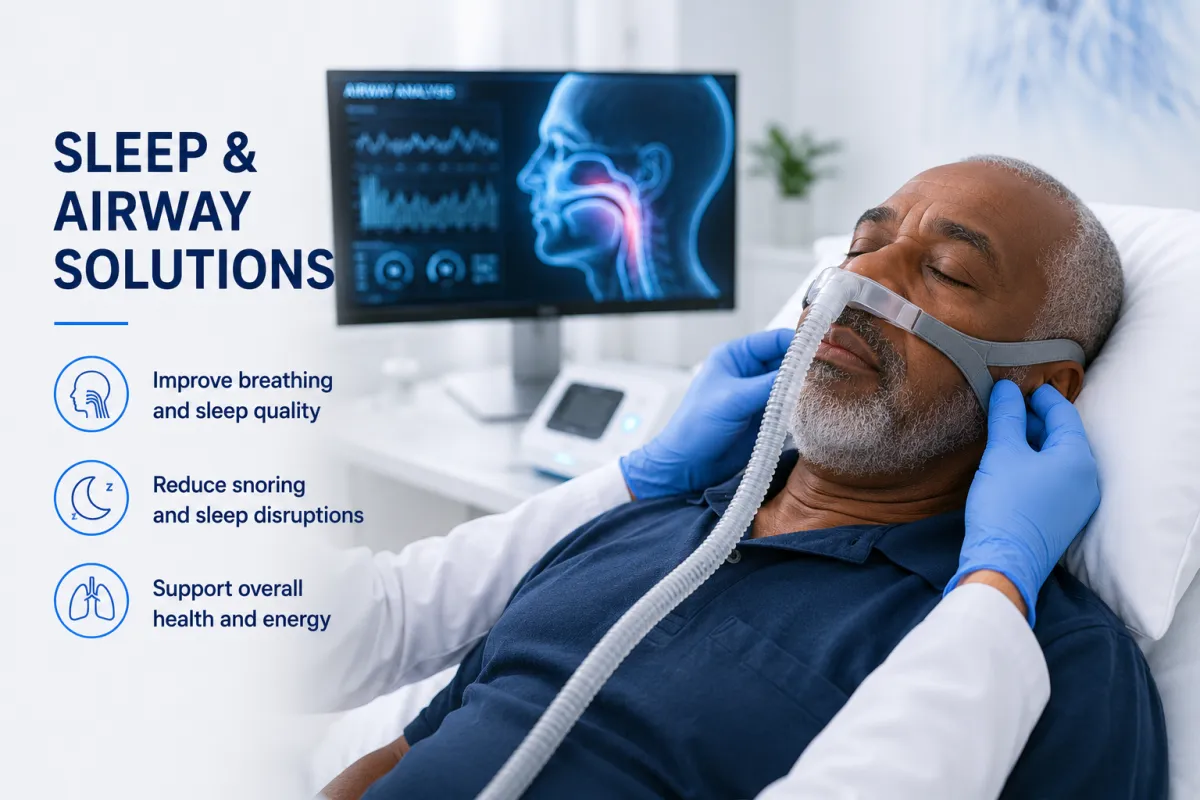
Sleep & Airway Solutions
Improve breathing, reduce snoring, and restore deep sleep with airway-focused care.
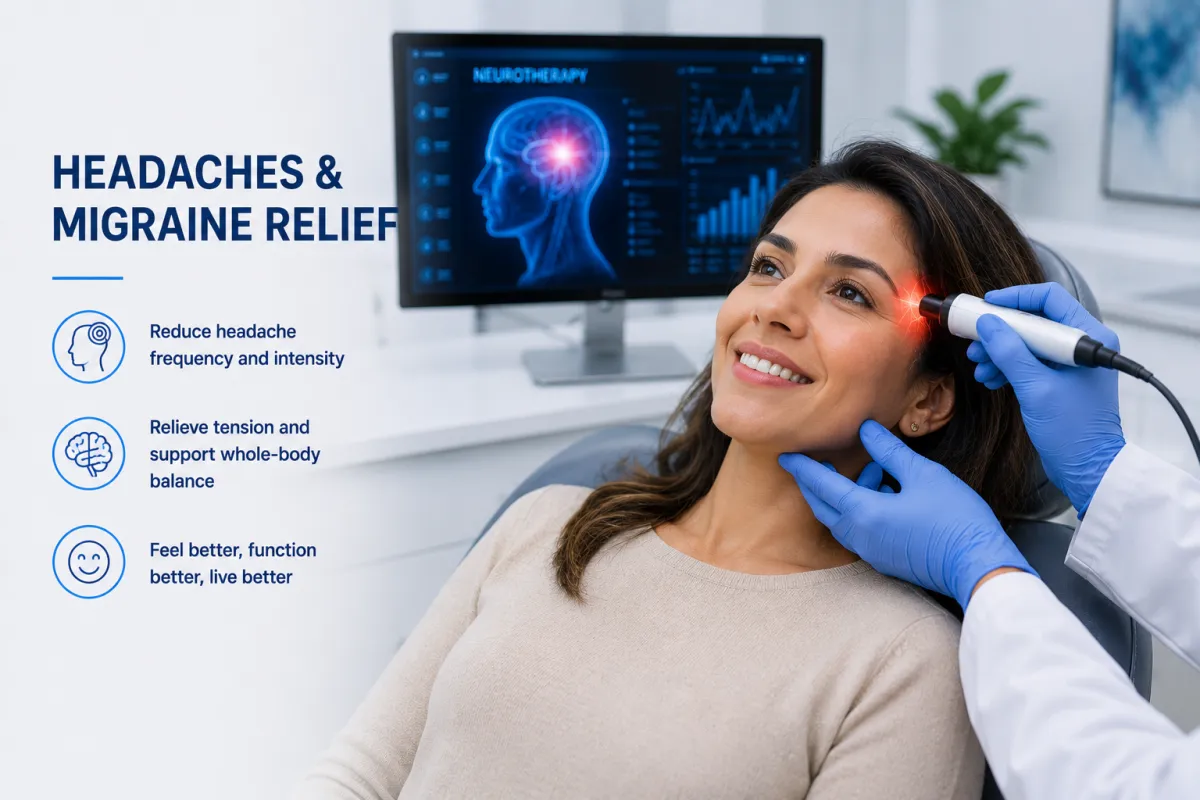
Headaches & Migraine Relief
Address the root causes of headaches and migraines linked to jaw and airway dysfunction.
ADVANCED HEALTH & DENTAL SOLUTIONS
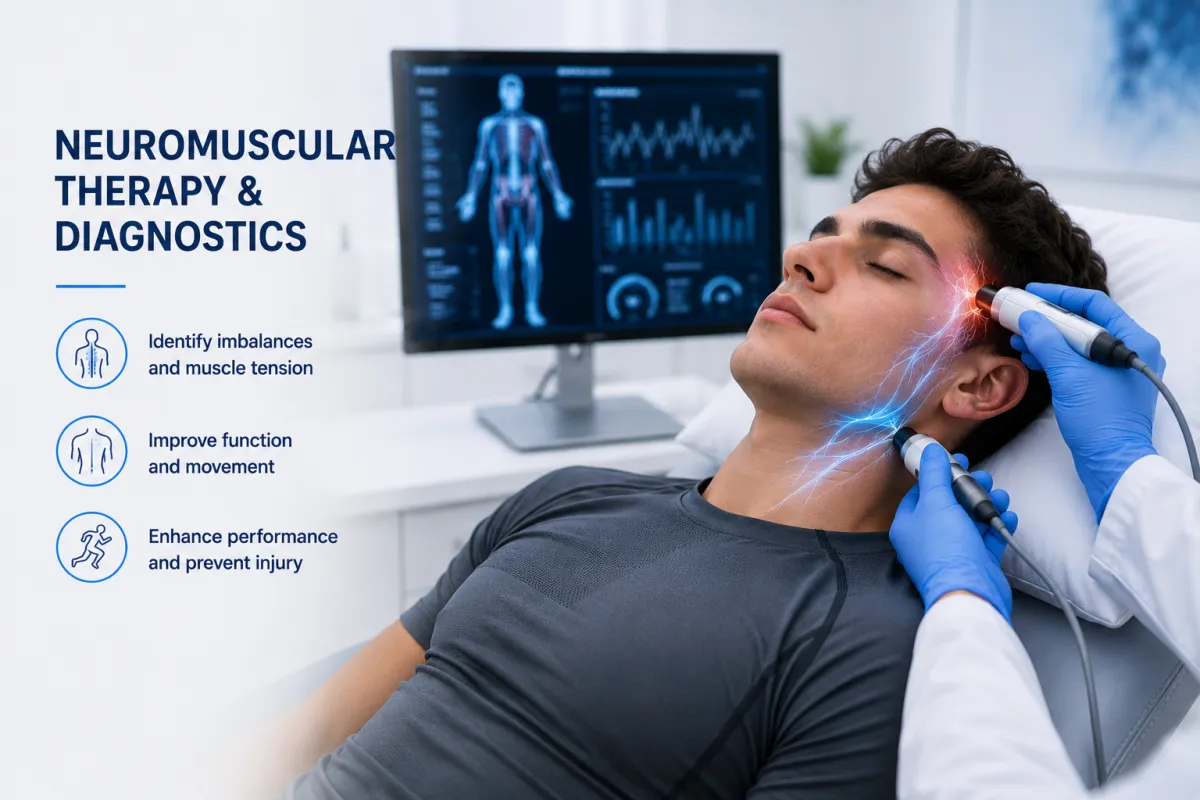
Neuromuscular Therapy & Diagnostics
Balance muscles, jaw alignment, and nerve function for long-term relief and stability.
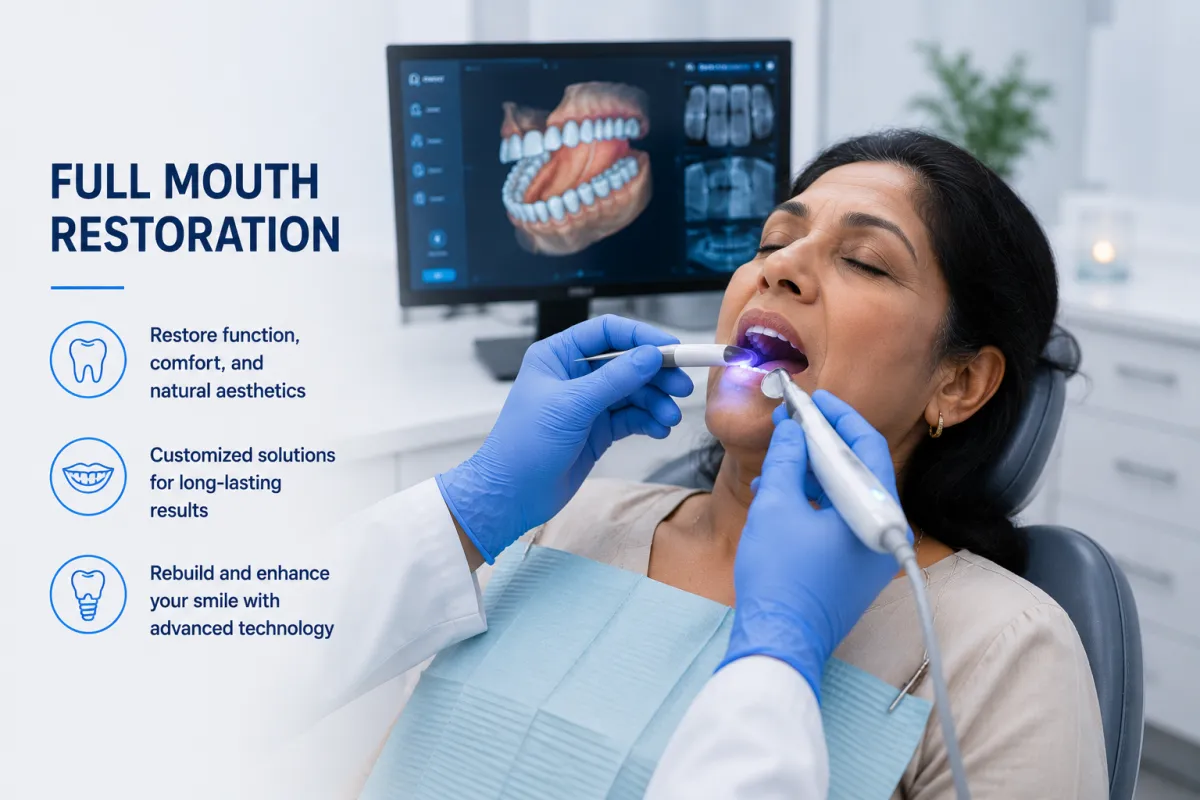
Full Mouth Restoration
Comprehensive solutions to restore strength, function, and aesthetics for long-term oral health.
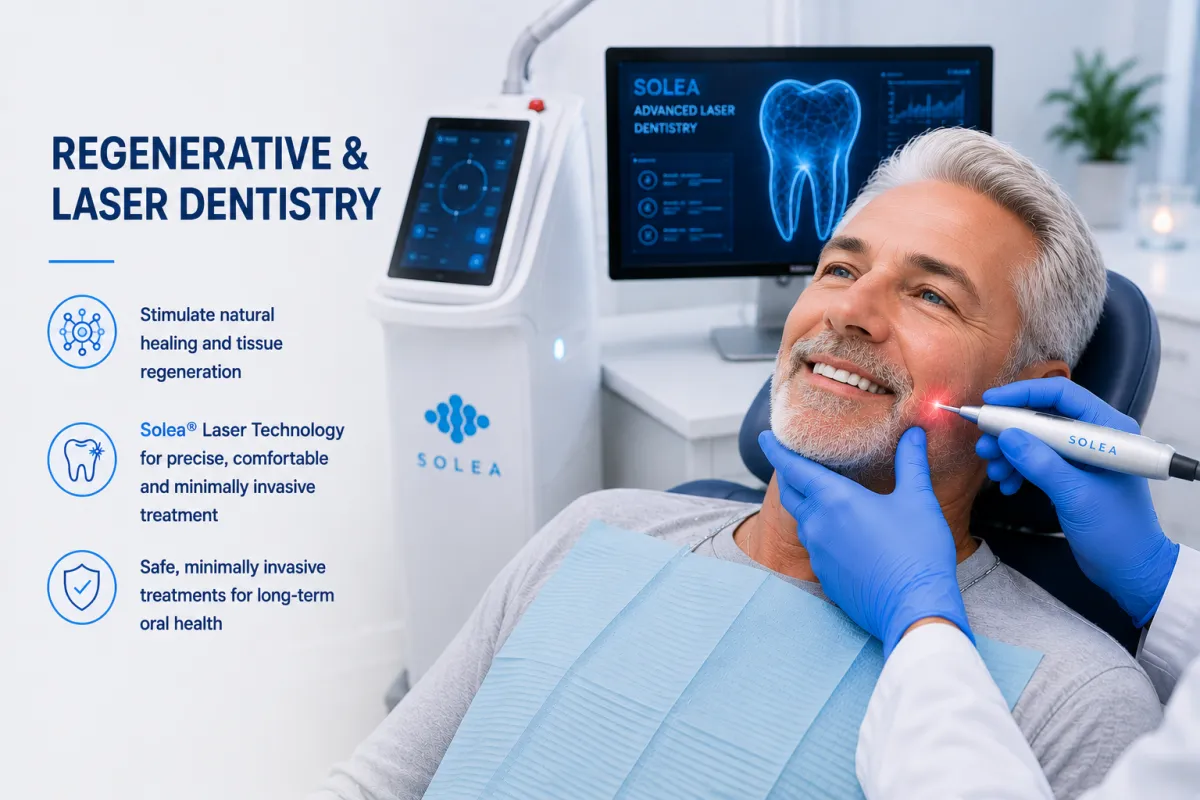
Regenerative & Laser Dentistry
Heal faster and more naturally with minimally invasive laser technology and regenerative therapies designed for lasting results.
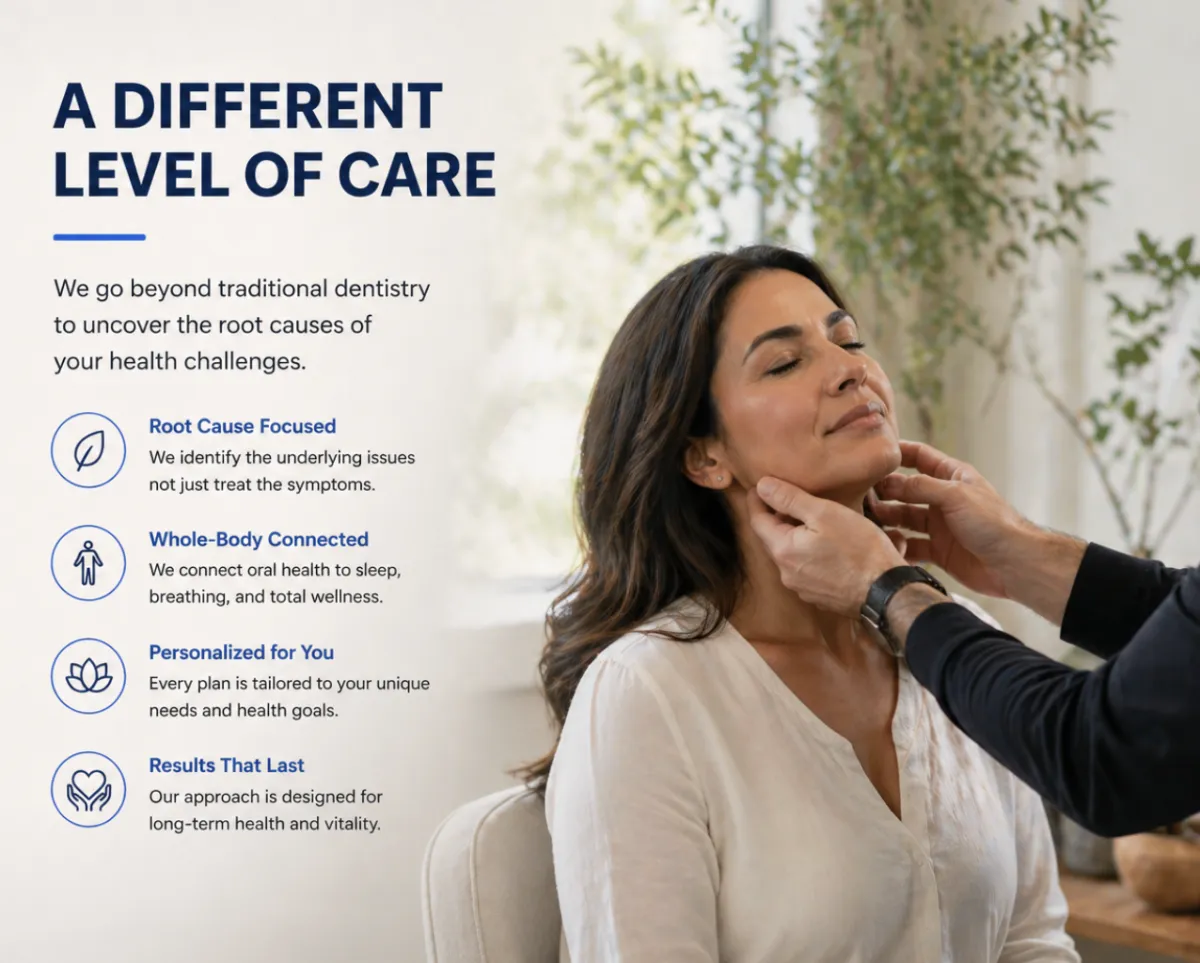
Most dentistry treats symptoms.
We focus on what’s causing them.
At Harter Dental, our mission is to restore health at its foundation—by addressing the connection between the mouth, airway, and nervous system.
We don’t just treat teeth; we evaluate how structure, breathing, and neuromuscular function impact sleep, energy, cognitive health, and long-term wellness.
Our approach is built for patients who want more than temporary relief. We identify root causes, create personalized treatment plans, and guide you toward lasting results—so your body can function the way it was designed to.
THE HARTER APPROACH

Comprehensive Evaluation
We assess airway, jaw alignment, and neuromuscular function to uncover what others miss

Holistic Approach
We connect oral health to sleep, brain function, and long-term wellness—not just symptoms.

Individual Plan
Every case is custom-designed to restore balance, function, and lasting results.
Advanced Dentistry Meets Whole-Body Health
With decades of clinical experience, Dr. Harter has developed a reputation for treating complex cases that others often overlook. His work focuses on the connection between the jaw, airway, and nervous system—key factors that influence sleep, energy, cognitive health, and long-term wellness.
Rather than relying on traditional symptom-based dentistry, Dr. Harter uses advanced diagnostics and a comprehensive evaluation process to identify the true source of dysfunction.
From TMJ disorders and airway restriction to chronic pain and fatigue, each case is approached with precision and a fully personalized plan of care.
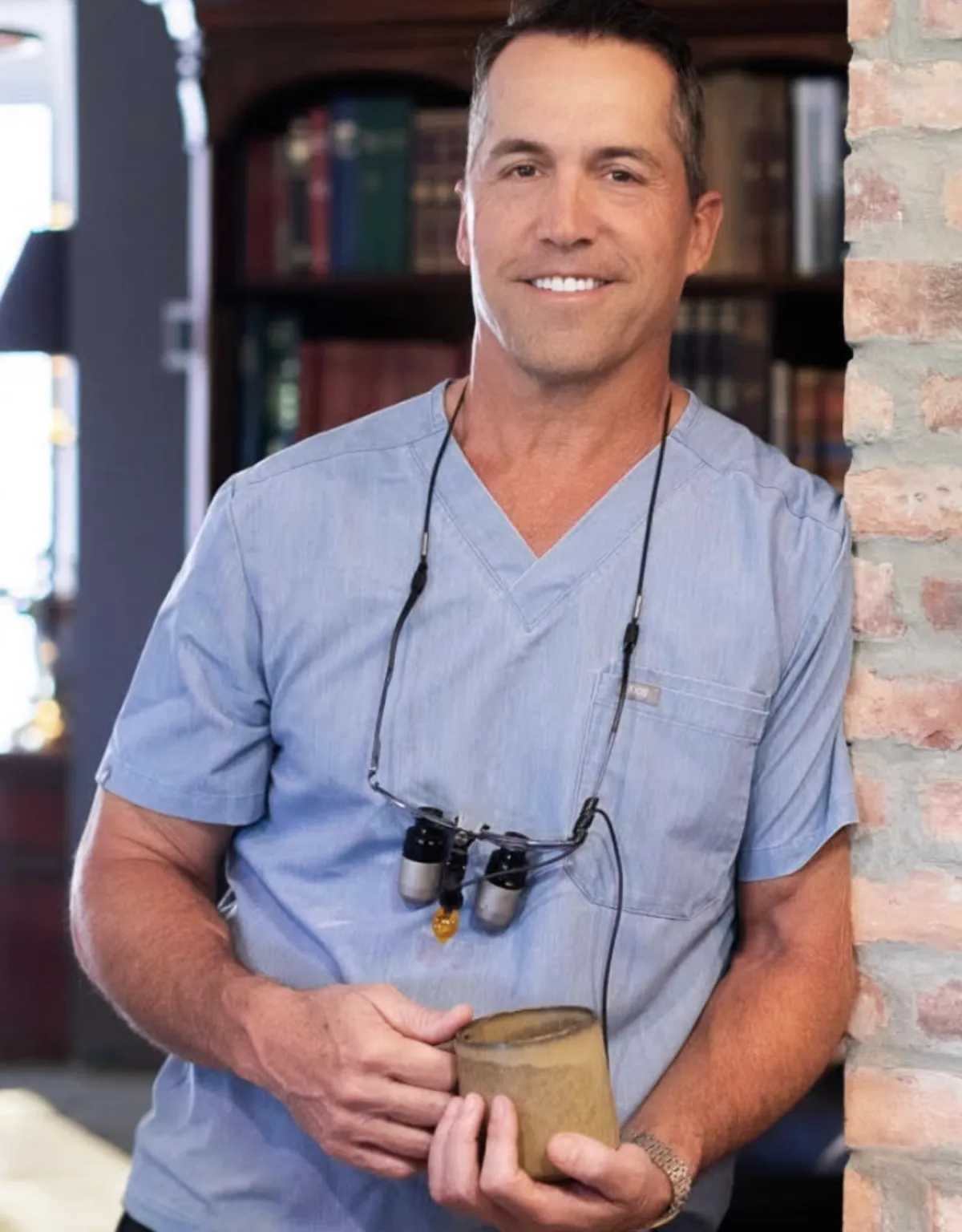
DR. HARTER'S CARE TEAM

Crystal DeCampos
Remote Dental Operations Coordinator
Working with Dr. Harter since 2008, Crystal has gained extensive experience in both the front and back end of dental operations, allowing her to support patients with compassion, efficiency, and attention to detail. She now works remotely, assisting patients with their day-to-day needs—answering calls, coordinating care, scheduling appointments, and helping resolve concerns—while ensuring every patient feels heard, supported, and cared for.
She is known for being a calming, friendly voice for patients and for helping make their dental experience as smooth and comfortable as possible.
Outside of work, she is a proud wife, a dedicated soccer mom to her son Maximus, and a dog lover who enjoys joining in on family adventures. She loves spending time outdoors, exploring new places, and creating lasting memories with her family.
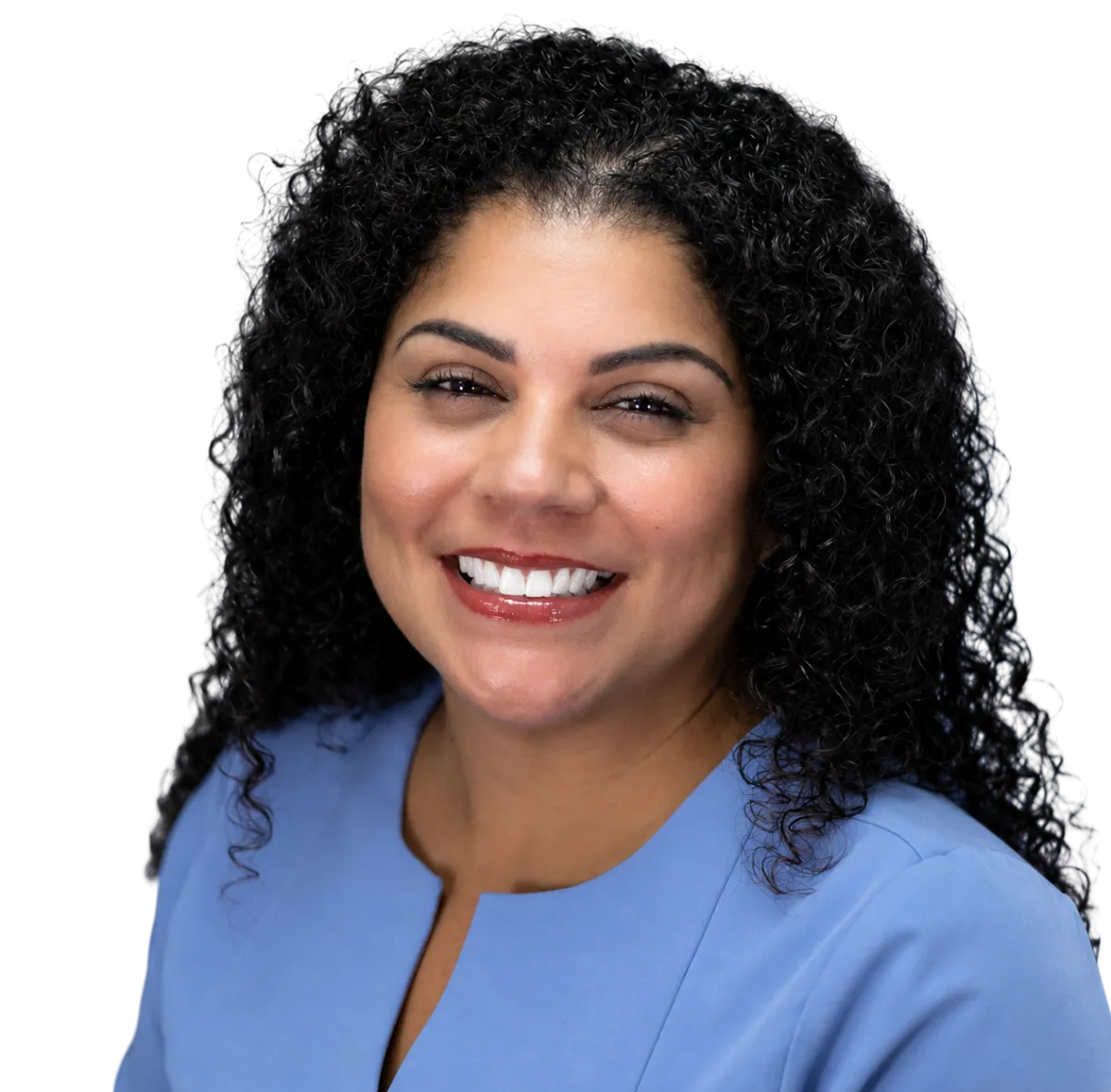
Tye Perez
Office Manager
With over 14 years in dentistry, Tyeina (Tye) brings expertise spanning clinical care, administration, and office management. Starting as a Dental Assistant and moving through front desk and management roles, she’s gained a well-rounded understanding of every aspect of a dental practice.
Passionate about meaningful patient experiences, Tye ensures each person feels seen, heard, and valued from their first call to their final visit. Guided by honesty, loyalty, and patience, she strives to make every appointment exceptional.
Outside the office, Tye cherishes time with her husband of four years and their two children, often traveling together and creating lasting memories. Committed to growth, she continues learning new skills to better serve her patients.
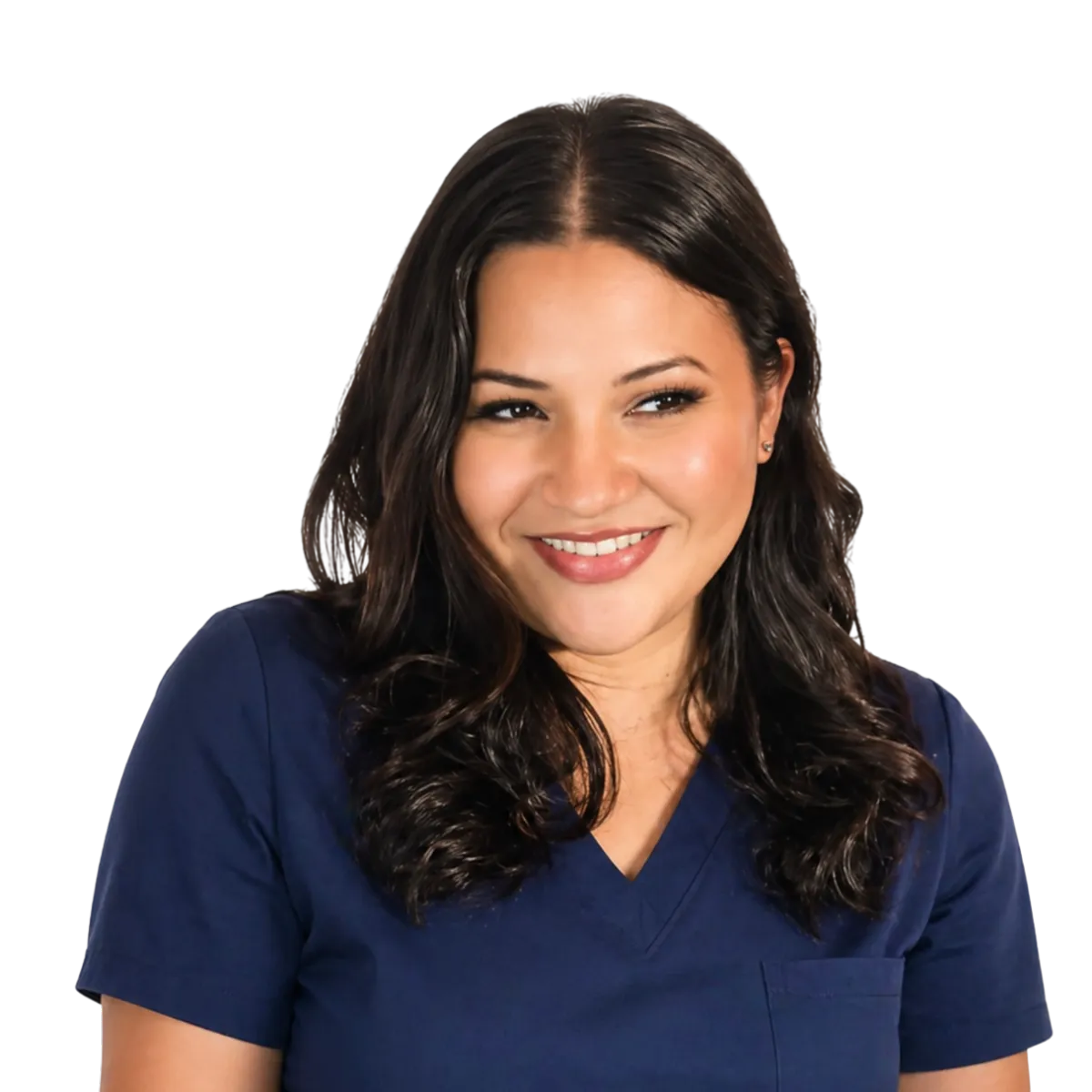
Monica Paz
Dental Assistant
With over 20 years in healthcare and dentistry, Monica brings a deep commitment to compassionate, patient-centered care. She has a natural ability to combine clinical skill with a calm, reassuring presence, helping patients feel comfortable and supported throughout their visit.
Passionate about meaningful patient experiences, Monica ensures each person feels heard, understood, and genuinely cared for from start to finish. Guided by empathy, attention to detail, and a heart for service, she strives to make every visit a positive and reassuring experience.
Outside the office, Monica cherishes time with her three children, often enjoying painting, decorating, and creating lasting memories with her family. Committed to personal growth, she continues to deepen her knowledge to better serve her patients.
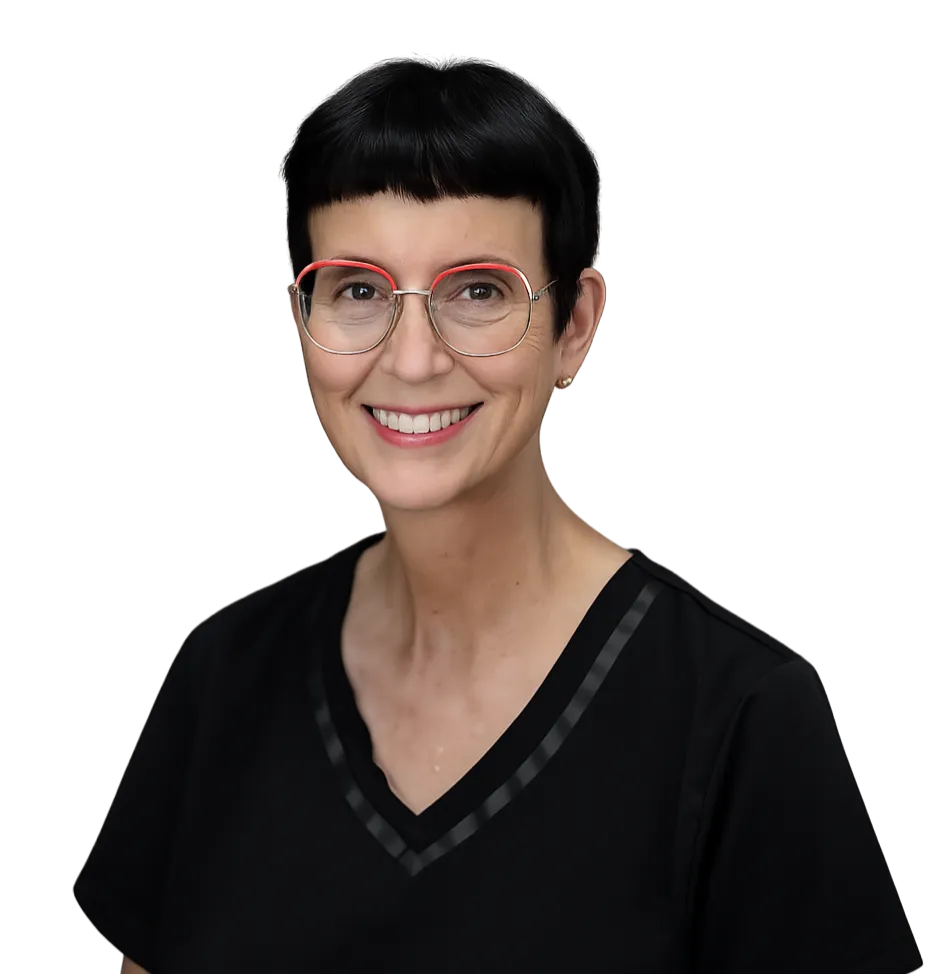
Andrea Caufield
Hygienist
Andrea’s passion for dentistry began as a young teen after orthodontic treatment transformed her “buck teeth” into a confident smile. Inspired by her own caring hygienist, she set her sights on helping others experience the same life-changing confidence.
Known for her dedication to both family and patients, Andrea says, “Their health and welfare are of the utmost importance to me.” She finds joy in creating and maintaining smiles that light people up from the inside out.
Outside the office, Andrea dreams of returning to Prince Edward Island—a favorite honeymoon and vacation spot she describes as “beautiful, clean, and unspoiled.” And here’s a fun fact: she grew up on soul music, thanks to her dad, and it remains one of her greatest joys.
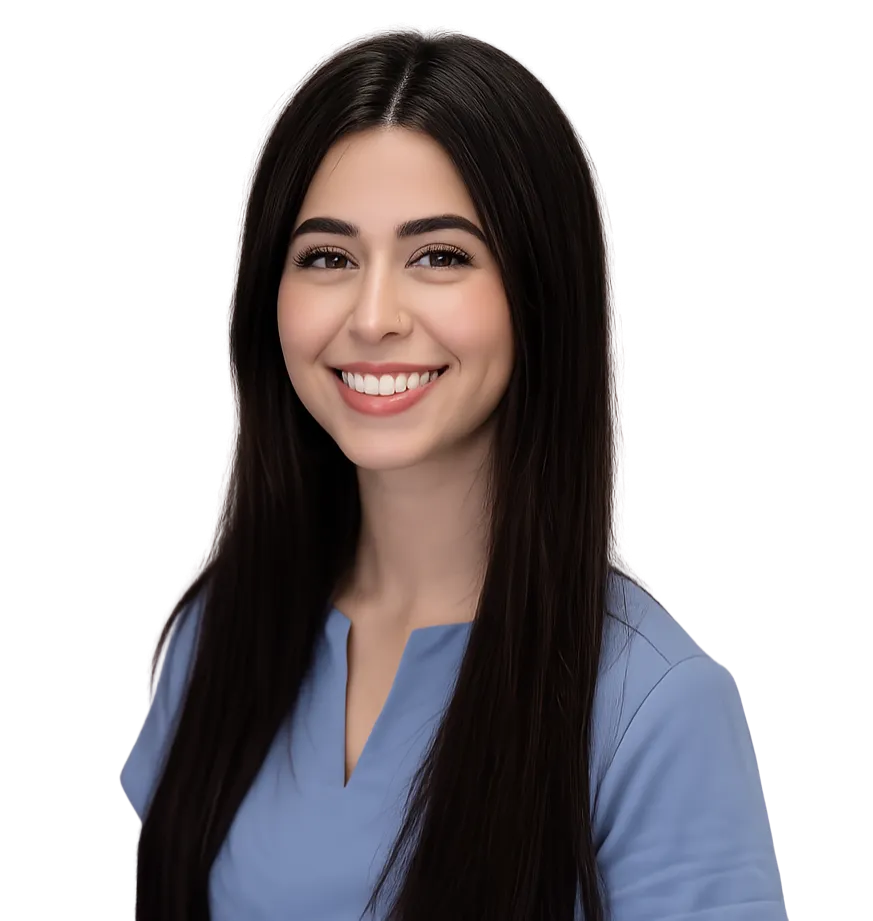
Sarah
Front Desk Coordinator
Sarah joined the world of dental assisting in the summer of 2024 and, as she puts it, “I haven’t stopped smiling since!”
Patients love her warm, kind personality and her natural ability to make every visit feel calm, nurturing, and genuinely cared for.
Outside the office, Sarah’s creativity shines. “I’m usually surrounded by paintbrushes, sketchbooks, or the sweet smell of something baking in the oven,” she shares.
Whether she’s bringing a vision to life on canvas or pulling a fresh batch of cookies out of the oven, Sarah pours her heart into everything she does—the same way she cares for her patients and their smiles.
TESTIMONIALS
I came to Dr. Harter with severe jaw pain, headaches, and terrible sleep. He took the time to find the real cause and create a plan that changed everything. I finally feel like myself again.
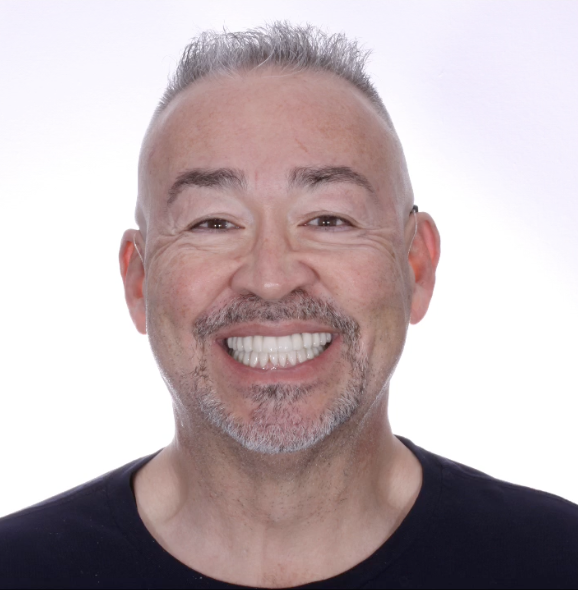
I had no idea my fatigue and brain fog were connected to my airway. Dr. Harter’s approach is unlike any other dentist I’ve seen. I’m sleeping deeper and have more energy throughout the day.
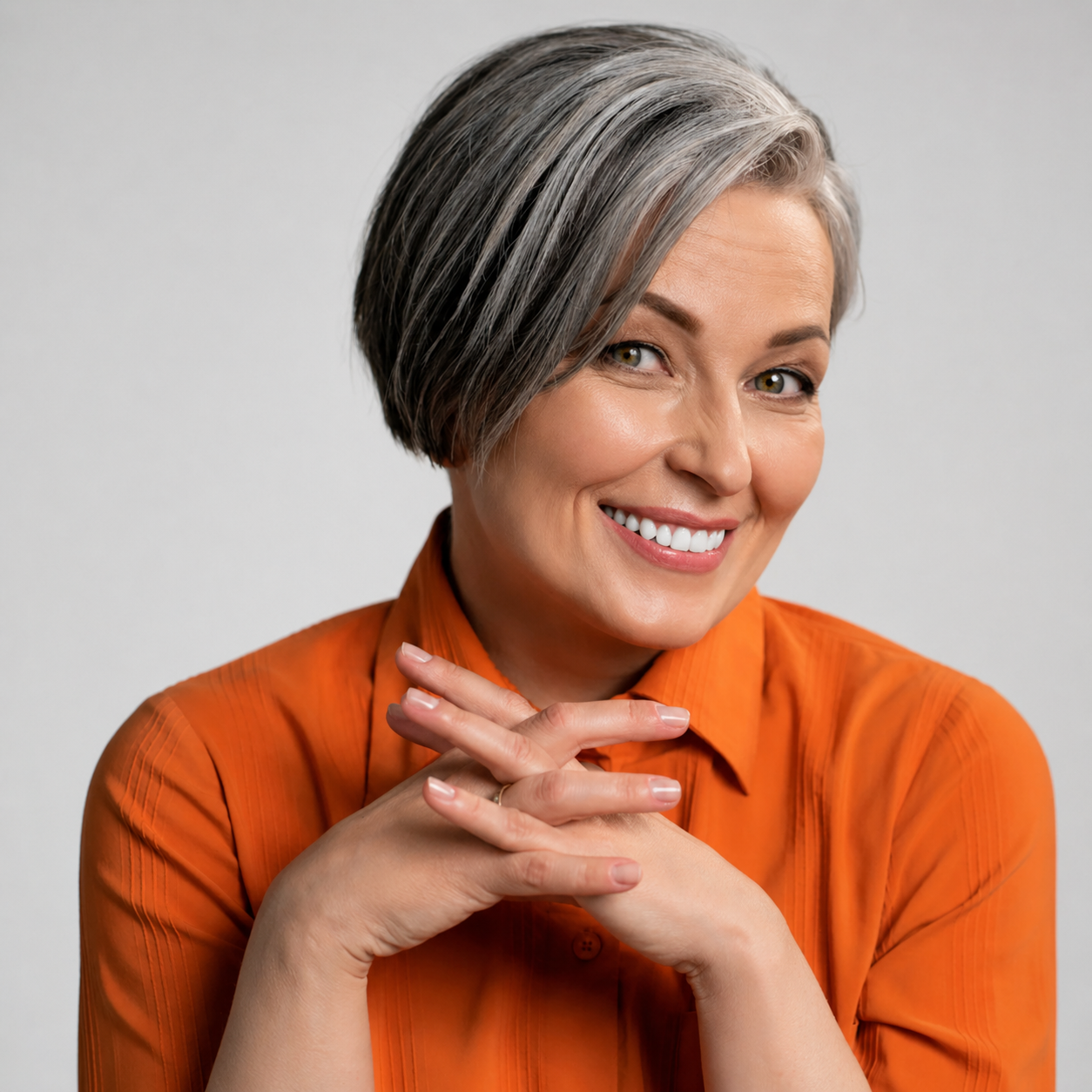
We came in for completely different reasons—jaw pain for him, poor sleep for me—but Dr. Harter connected everything. The level of care and attention to the root cause is something we’ve never experienced before. We’re both sleeping better and feeling healthier overall.

Get In Touch
Email: [email protected]
Address
Office: 2609 SW 33rd St #104 B, Ocala, FL. 34471
Assistance Hours
Mon - Thursday 8:00am – 5:00pm
Friday - Sunday – CLOSED
Phone Number:
352.203.4493
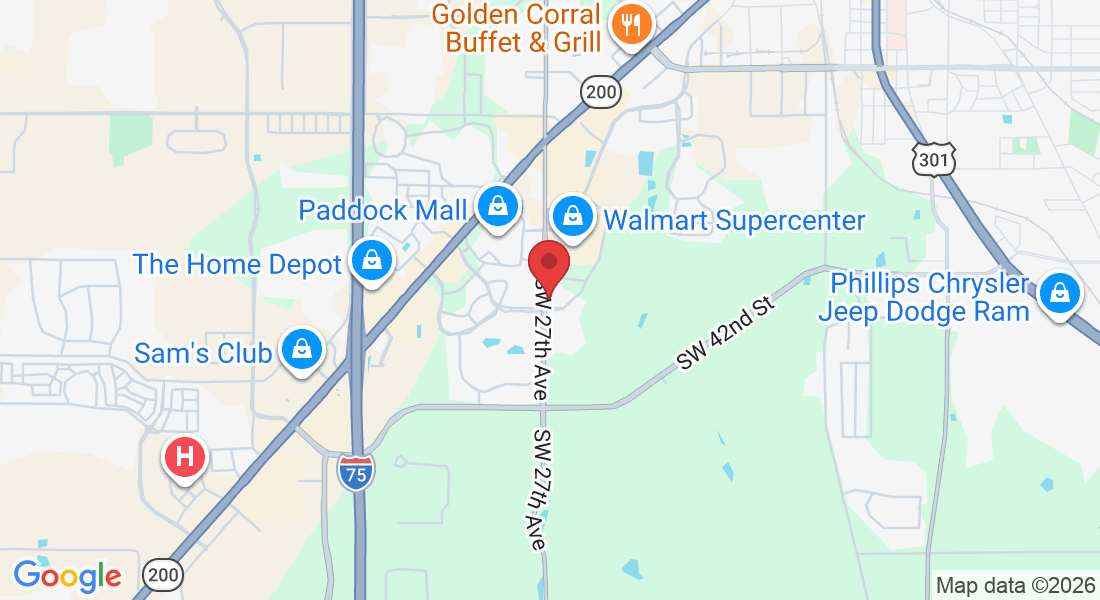


Office: 2609 SW 33rd St. #104 B Ocala, FL. 34471
Call: 352.203.4493
Email: HealTMJSleepFlorida.com
Site: www.HarterDental.com